Jan's story
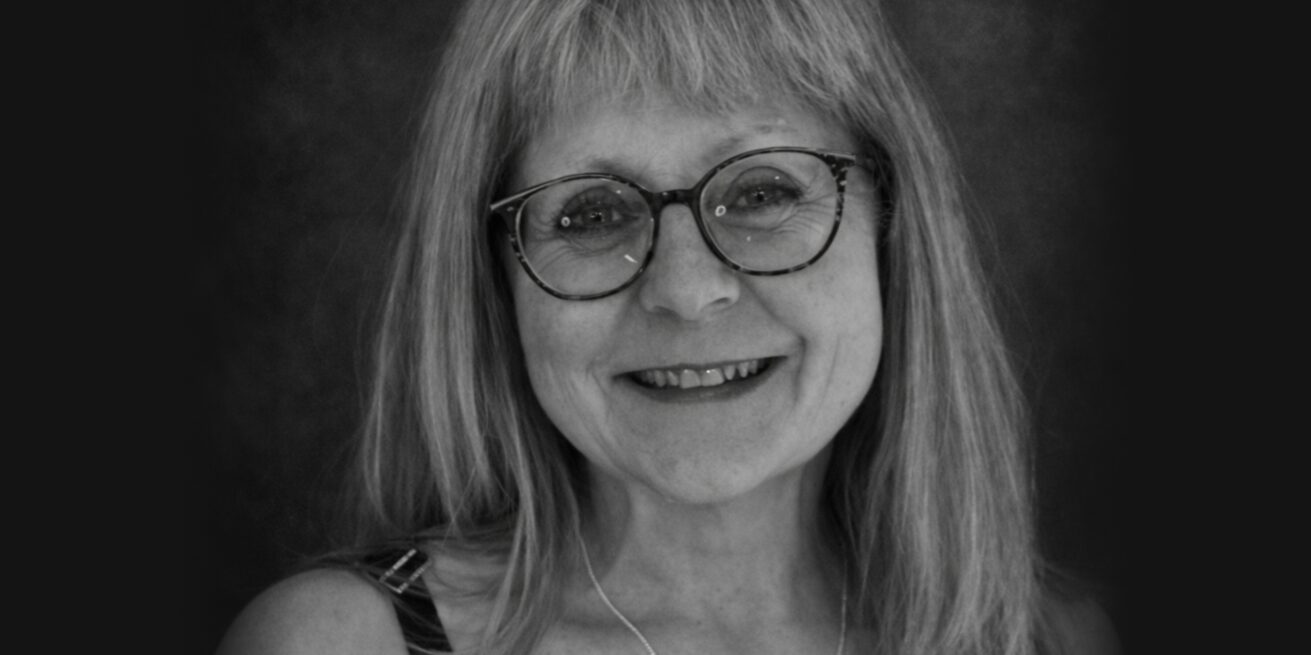
I’m Jan. I was diagnosed in 2022 following a mammogram.
I was lucky enough to be on a trial, so I actually had my first mammogram at 48. If I hadn’t been on that trial, it would have been picked up much later. Nobody felt the lump. I didn’t feel the lump. I had absolutely no idea it was there.
When I was called back, I went on my own. I didn’t think anything of it. All the literature says just because you’re called back, it doesn’t necessarily mean cancer. So I was pragmatic about it. And then I got my diagnosis on my own. That was horrendous. I had no idea. Nothing prepares you for hearing those words by yourself.
I had a lumpectomy. I came home not really out of the anaesthetic — I’d gone in at one in the afternoon and was home by seven. I don’t think I handled it very well. When I finally looked at my scar, I was not prepared. It was like a rolled finger of skin. No one had explained what it would look like. I was devastated.
I saw my breast nurse two days later and she reassured me that what I was seeing was normal — that it had been rolled and glued in a particular way. The scar is beautiful now. You can hardly see it. But that’s not the point. The point is the expectations. The lack of explanation.
The first three weeks after surgery were actually great. I was recovering well and felt like I was coping. But then I developed a red rash. It went on for four months, and nobody could tell me what it was. Of course, I was thinking the worst. It was creeping up my breast and I had no answers.
Eventually oncology said, “We’ve given you the three months you need to recover — now we need to get you booked in for radiotherapy. Let’s just do it.” So I had radiotherapy, and then I was referred to the lymphoedema clinic.
By that point, I’d had about eight months of, quite frankly, a really shit journey. And all the time I kept hearing, “Your cancer’s such a low grade, such a low, low grade.” Yes, it was low grade. Yes, I didn’t need chemo. But for me, it wasn’t just a low-grade inconvenience. I didn’t know I had a lump. I had no idea. And for months I’d been living with this rash and uncertainty.
I had a horrendous experience with one consultant who was very dismissive. First she told me, “It’s not cancer.” Then, “Oh well, we’ll do some tests.” I’ve still got the little scars from the biopsies she did. It was just awful.
The lymphoedema nurse was the first person who really acknowledged it. He sat down, looked at my notes and said, “Looks like you’ve had a really shit journey.” And I just broke down. I think I just needed someone to recognise that. For everyone else, it was “low grade.” But for me, it didn’t feel low grade at all. I did feel like I’d been pushed under the carpet because it wasn’t deemed as serious — and that felt dreadful.
The one real benefit was meeting a group of women through Maggie’s Centre. We met at one of the groups and we’ve remained really good friends ever since. They’re my rock now. That friendship has been absolutely brilliant. They were my saviours, really.
I’m well now. I still live with lymphoedema, but it doesn’t really cause me problems. It’s just something I manage. Three years on, physically I’m doing fine.
But cancer isn’t just about how “serious” it looks on paper.
If I could give any advice to someone newly diagnosed, it would be this:
Regardless of how “low grade” they tell you it is — it’s your cancer. It’s your body. If something doesn’t feel right, push. Ask questions. Keep asking.
Record your consultations. I didn’t at the beginning, and I wish I had. Take someone with you who can be your voice, because I didn’t do that either. Don’t assume you’ll remember everything. Don’t assume you’ll be able to advocate for yourself in that moment.
And don’t let anyone minimise what you’re going through. Because even when it’s called “low grade,” it can still turn your whole world upside down.
Early intervention matters - prioritise your health.
Accelerate action