Asha's story
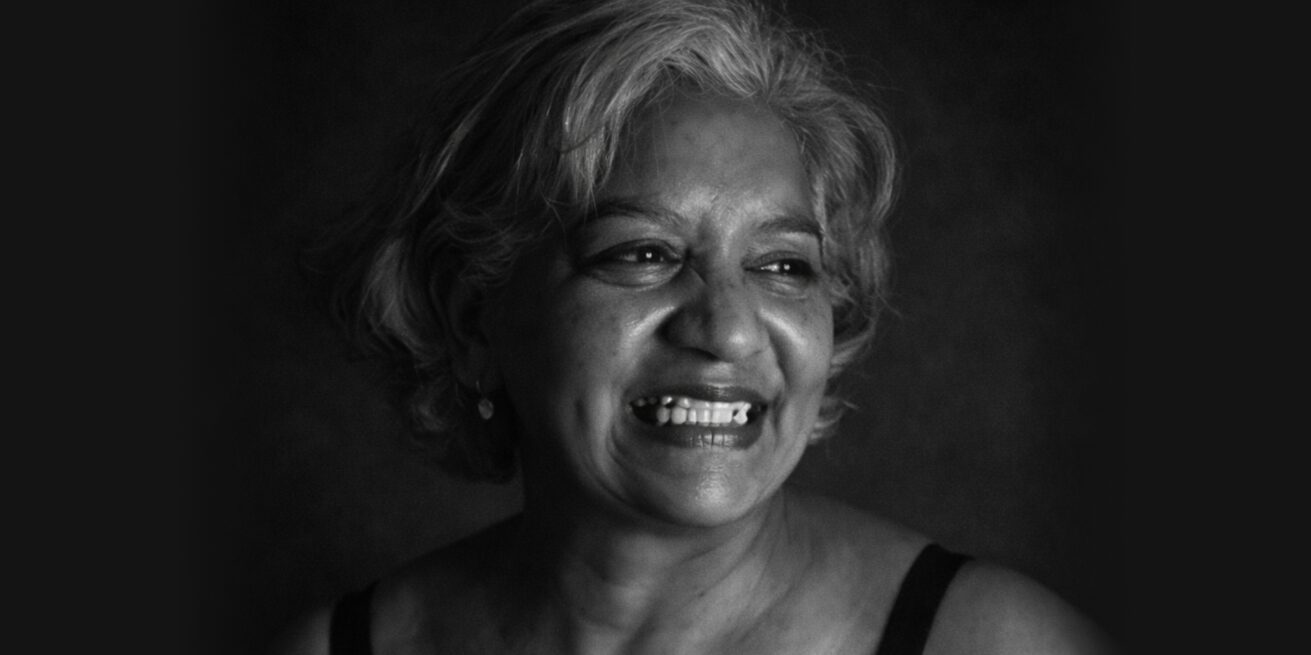
My name is Asha. I’m 66 years old — a brand-new buspass pensioner — and I was diagnosed with breast cancer at 63. For me, it wasn’t just an illness; it was an episode in my life. And when something like that hits you, you’ve got a choice: you can be a victim, or you can say, “Right, I’ve got a shitty titty trying to finish me off, but it didn’t.” That’s the way I chose to look at it.
The worst part was the waiting. Two weeks between the biopsy and the results, completely out of control. So I focused on the things I could control. I sorted my wardrobe. I wrote my will. I even chose the songs I wanted at my funeral. It sounds dramatic, but when everything else feels impossible, you cling to the things you can organise.
The diagnosis forced me to retire from nursing after more than 40 years, finishing as an intensive care sister. I was good at my job, and I loved it, but that was then. Retirement gives you time to think, and you realise you can’t work forever. You start coming out with phrases like, “There are no pockets in shrouds,” and then you panic because you’ve spent all your money and think you’re going to end up bankrupt. But you adjust.
I’ve had lymphedema and joint problems since treatment — even lymphedema in my breast — but the silver lining is that at least both boobs are the same size now. I can’t run or cycle like I used to (not that I’ve run for 25 years), but I can do aquafit with the 80-year-olds, and honestly, they’re great company.
I’ve had incredible support. My house looked like a florist's before I’d even had surgery. But people drift away afterwards. They say, “You’re cancer-free, you’ve won!” and you stand there thinking, I’m actually a bit broken. Doctors say certain side effects aren’t side effects, but every patient knows they are. You’re left with the bits no one talks about.
Coming to Maggie’s changed things for me. I’ve met what I call my “Maggie’s mates.” I’ve met loads of people — but I really get on well with three of them - they’re my people. And I’ve found support in unexpected places, especially online. The ones who say, “Oh, I don’t do Facebook,” are usually the ones who miss out. There’s so much help out there, but you have to go and look for it. It won’t come knocking.
I’ve also been able to pay it forward. When someone I know gets diagnosed, I send them a little box — a cushion for after surgery, aloe vera, gentle soap. I remember how much those small kindnesses meant to me, and I want to pass that on.
If I had to give one piece of advice to someone newly diagnosed, it would be this: shit happens. It’s not what happens to you, it’s how you handle it. There are far worse illnesses in the world. Breast cancer is tough, but there is hope, and there is support; you just have to reach for it.
Early intervention matters - prioritise your health.
Accelerate action