Angie's story
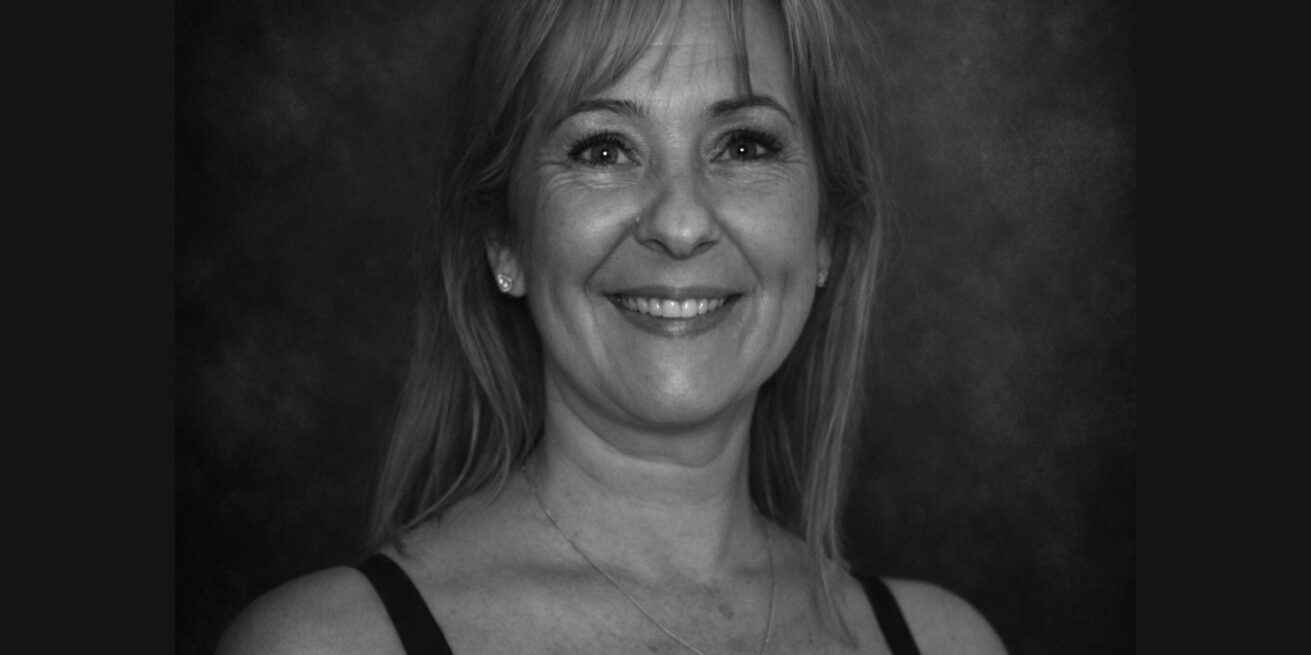
I’m still pretty early in this whole breast cancer journey. I was diagnosed 5 months ago (September 2025) —hormonepositive, HER2negative. They found ten cancers, spread across 120 millimetres, and one cancer in a lymph node. They sent it off for an Oncotype test, and it came back as 11. Everything moved fast after that. I had surgery on the 30th of October, a DIEP flap reconstruction. In the end, I chose radiotherapy instead of lymph node clearance, and I refused chemotherapy because it only gave me a onepercent better chance of it not coming back. One percent. I just thought… no. I’m not putting myself through that for one percent.
It’s all still very recent. Physically, I’m doing pretty well. Mentally… probably not so much. People say I look amazing, and I know they mean well, but sometimes you don’t want to look amazing. But at the same time, I don’t want to look poorly either. I’ve tried so hard to stay positive through all of this, but it is difficult.
There are the people you connect with along the way—like Amy. Our little boys go to the same school, and my older daughter’s best friend works with her. It’s funny how these tiny connections suddenly matter so much. Knowing someone who gets it, who knows exactly where your head is at without you having to explain… that’s priceless. Out of something awful, you get these friendships that will probably last the rest of your life.
The hardest part, though, has been my kids. I’ve got 5 children. My two eldest have been my absolute rock. But with my youngest… I just couldn’t say the word “cancer.” He’s too young. He just thinks I had a poorly boobie and a scratch on my tummy. He asks if I’m getting better, and I say yes. Because what else can you say?
With the older ones, it was different. They knew. And the first thing they said was, “Are you going to die?” And that absolutely floored me. I couldn’t bear the thought of them hearing the word “cancer” and thinking they were about to lose me too.
If someone came to me today and said they’d just been diagnosed, the first thing I’d do is give them a big hug. Because that’s what you need at the beginning—just someone holding you up for a minute. Then I’d tell them where the support is: Maggie’s, other women who’ve walked this path. And I’d tell them the most important thing I’ve learned: you have to be your own advocate. You have to fight for yourself, because no one else knows your body or your mind like you do.
This journey is hard. It’s messy. It’s frightening. But there are good bits too—tiny moments, unexpected friendships, people who show up for you. And those things make it bearable. They make you keep going.
Early intervention matters - prioritise your health.
Accelerate action